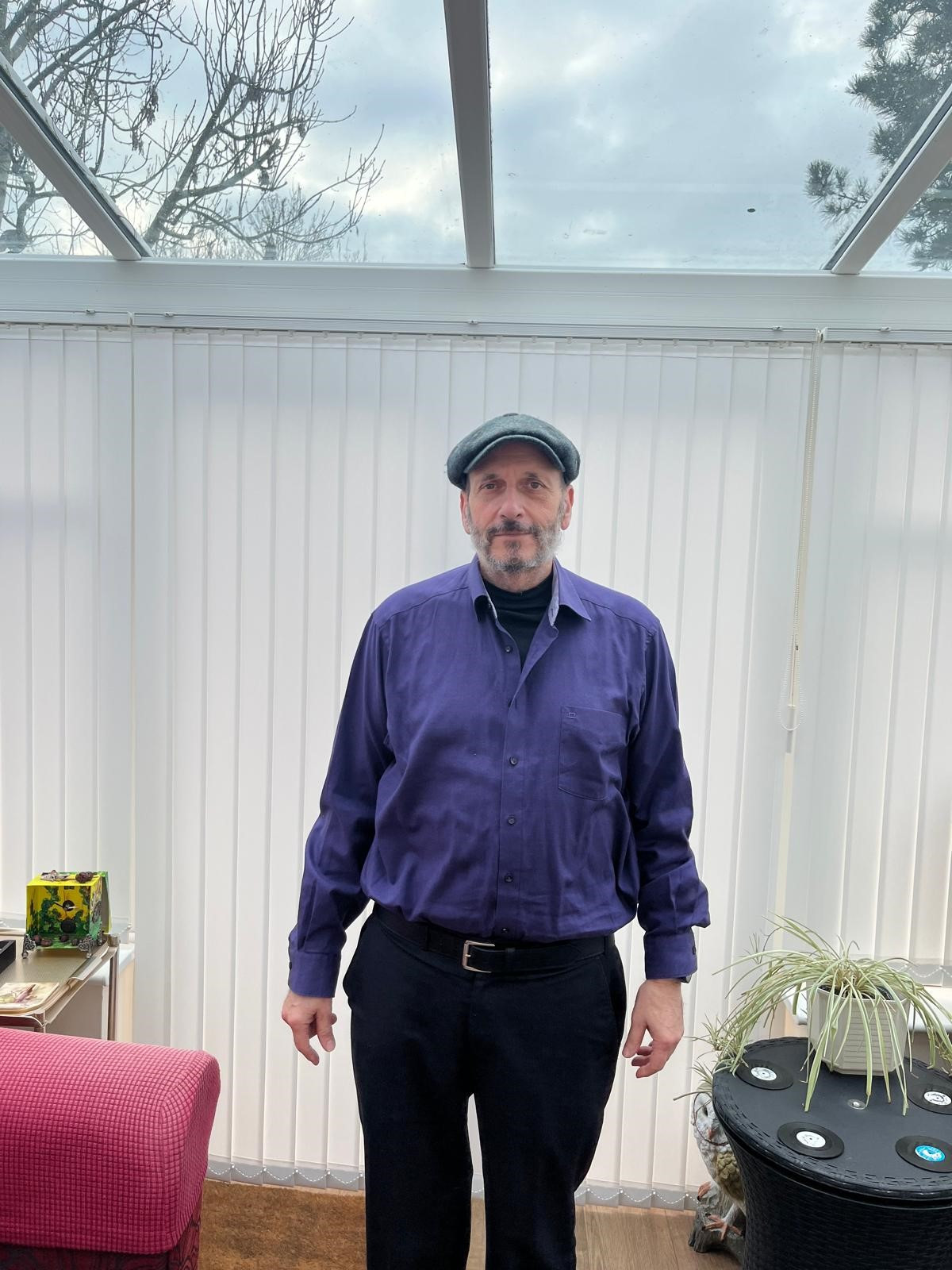
‘I have pancreatic cancer, but I’m one of the lucky ones’
A granddad diagnosed with pancreatic cancer says he is ‘one of the lucky ones’ after aggressive treatment shrunk his tumour.
Fewer than 10 per cent of people with the same diagnosis survive five years, but construction manager Lawrence Fox is hoping to beat the odds.
He has reason to be positive, after two rounds of chemotherapy and one cycle of radiotherapy saw the tumour almost halve in size.
The dad of one, from Canterbury, is sharing his story for World Cancer Day on Wednesday, 4 February, and is urging other people to be vigilant and speak to their GP if they are concerned about symptoms.
Lawrence, 68, said: “I thought it was a flare up of an existing condition so I was given antibiotics but it still wasn’t right.
“At the time, my mum was in and out of hospital, so when I started losing weight I assumed it was the stress of that.
“But in the end I had more tests, and then had a call to say they had found a growth on my pancreas and a Macmillan nurse would be in touch.
“I certainly wasn’t expecting that call and it was a very worrying time, but they got me through as quickly as they could.
“With my mum it went on the back burner, but you know your own body and if you know something is not right you keep going until you get some answers.”
Lawrence started chemotherapy in January last year, and was warned it might not have an effect, or it could simply halt the growth of the tumour. But after five sessions, a scan revealed it had shrunk by a third.
He said: “It caught everyone by surprise, and the team said as long as I was fit enough to have the chemo they would keep going.
“So I had another seven sessions, and then more scans, and it had shrunk by another third.
“Unfortunately, it still isn’t operable, as it’s very close to a main artery, but I’ve just finished more chemo and radiotherapy and I’m hoping that will do the trick.
“Radiotherapy did take a lot out of me, but I’ve started to feel more like myself in the last couple of weeks and I’m now doing more things I want to do.
“I heard of someone who had the same diagnosis who died six weeks later. But I think, someone has to be one of the survivors you hear about in the stats, so I’m one of the lucky ones.
“You could catch anything, or go round the corner and get knocked down, and I’d definitely rather be diagnosed at my age than in my 70s, or worse, much younger.”
Lawrence has been able to get back to playing golf, with a little help from Canterbury Golf Club pro Richard Wallis, who helped him adapt his swing to accommodate the tube in his arm used for the chemotherapy treatments.
He said: “I like to be doing something, and if I’m feeling better I’d like to be out in the fresh air.
“You don’t want to be sitting around sulking. I had a chat with Richard and he was a great help so then it was happy days.
“I did learn to listen to my body and rest if I’m tired. But I think being fit was a real advantage. It is an aggressive chemotherapy regime and it doesn’t take any prisoners.
“It was like going back to school to learn about the condition and the treatment, but you have to get on with it. The team were really good, and respected that I wanted to know, no matter how tough it is.”
Lawrence had his treatment at the Kent and Canterbury Hospital, and paid tribute to the team, particularly in the Cathedral Day Unit, consultant Rohit Sasidharan, and Macmillan nurse Emma Lloyd.
He said: “I took everything on the chin and was positive so they were not afraid to tell it like it is.
“I have insurance so I could have gone private, but I couldn’t better the service I got.
“It was a real eye-opener to be in the Cathedral Day Unit. I was there for seven hours or more and you see just how many people need treatment.
“The team were absolutely fantastic, they never stopped. It felt a bit like a day out – I just had to sit in the chair and let everyone make a fuss of me!”
Lawrence also benefited from groups run by the Pilgrims Hospices, and hopes to be able to give something back by supporting other cancer patients.
He said: “If you meet someone in the same boat, you can say things you wouldn’t say to your family.
“Getting it out in the open really helps and often you realise something isn’t as bad as you thought.
“The staff are all fantastic but it is different to have someone who has gone through the treatment and really understands.
“You also find out who your friends are, and my mates and my family were a great support and were all there if I needed them.”