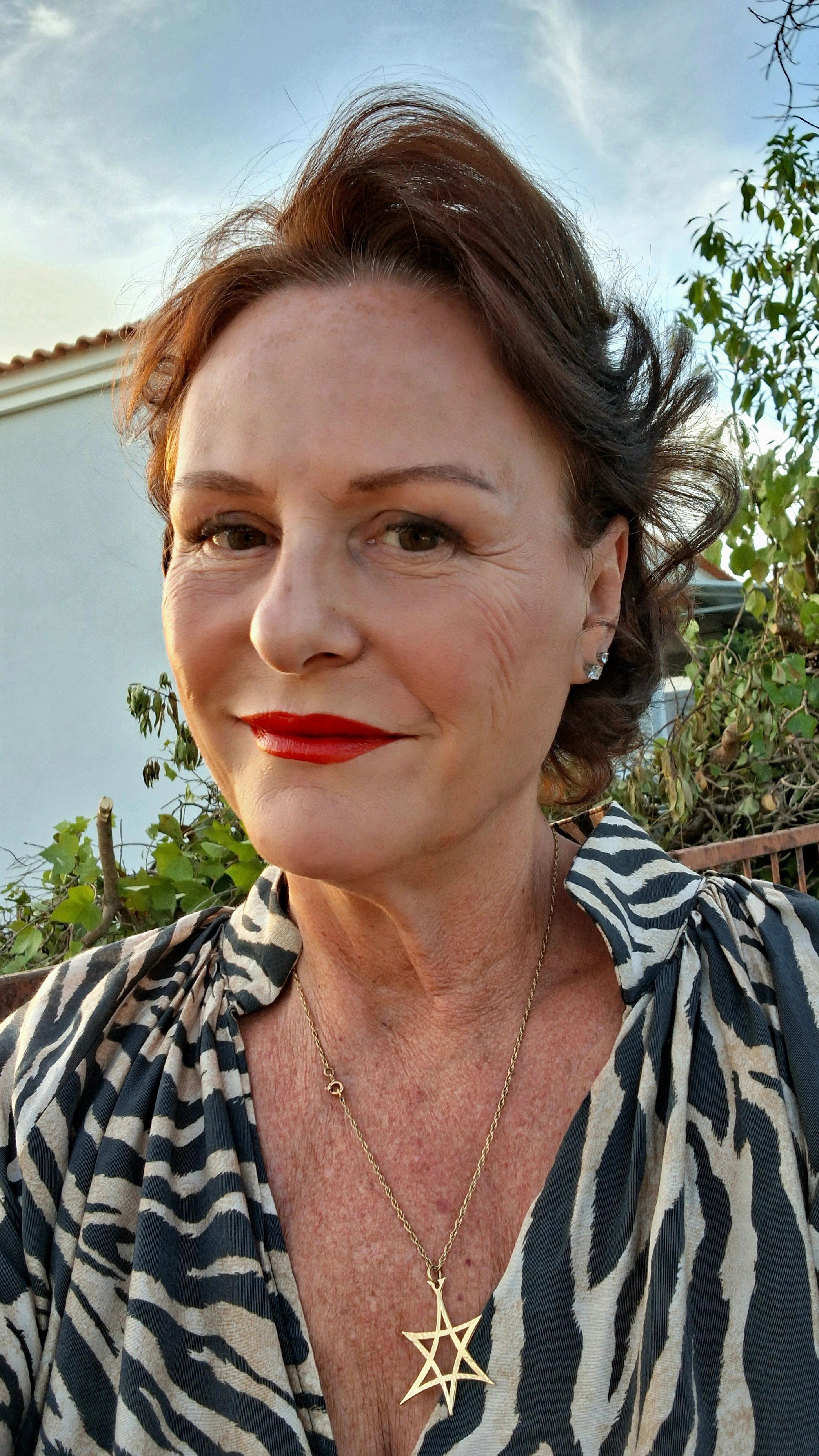
‘Your cancer research donations have helped save my life’
A mum is facing preventative surgery nine years after breast cancer treatment because of a faulty gene that makes it extremely likely the disease will return.
Dawn Annandale, 59, is planning a double mastectomy and hysterectomy after being told she has a mutated PALB2 gene, which significantly increases the risk of breast, ovarian and pancreatic cancer.
The genetic link was only discovered last year after Dawn’s sister developed breast cancer twice. Initially she had been told she was negative for the BRCA gene mutations, which are commonly associated with increased risk for breast cancer, but scientists have since identified other faulty genes and are now able to test for them.
It means Dawn’s six children can also be tested, along with her nieces and nephews, and can decide to have preventative surgery.
Dawn, who lives between Folkestone and Portugal and is sharing her story for Breast Cancer Awareness Month, said: “I’m so grateful to everyone who has raised money or donated for cancer research, because this is what it has done.
“My girls can make the decision to have their eggs frozen, and their embryos can be tested for the faulty gene, so we can essentially breed it out of our family so future generations don’t have to face it.
“I don’t want my daughters to go through what I went through, and because of science they have the ability to be forewarned, and can make choices.”
Dawn, an author, was diagnosed with breast cancer after finding a lump during a shower. She had surgery to remove it, followed by six cycles of chemotherapy. After her initial genetic testing was negative, she was deemed not to need a mastectomy, and instead had radiotherapy.
The treatment was gruelling, and she ended up developing sepsis and spent several weeks in intensive care. She was also allergic to the chemotherapy drugs, and ended up taking 56 prescription drugs each day to tackle the cancer and the side effects.
She said: “It was an absolutely horrible year of my life. I was so shocked to be told it was cancer; I thought it was going to be anything else but that.
“The sepsis was the worst experience ever and there were times I thought I was going to die.
“It was a very aggressive cancer, and stage three, so there really was no choice; I had to do what the doctors advised.
“I’m not angry or bitter though, I’m just glad scientists have identified the gene and my children, and my nieces and nephews have the chance to take preventative steps.”
Dawn, who has five grandchildren, travelled between Folkestone and Portugal for the first cycles of her treatment, before she became too unwell. Her sixth and final chemotherapy treatment was delayed while she recovered from the sepsis and rebuilt her strength.
She said: “My friends were fantastic and would take me to my appointments, and a kind hairdresser friend took the rest of my hair off once it started falling out.
“Then I had to deal with being bald, which immediately identifies you as a cancer patient. People look at you with pity.
“I had my treatment at the Kent and Canterbury Hospital and I was looked after fantastically, and just tried to do whatever the doctors told me.”
She is now preparing for the next stage, and hopes to have preventative surgery in the next few months.
Dawn said: “Every day I don’t have the operation I am scared – will today be the day I get breast cancer or ovarian cancer?
“I feel stressed about it every day. Four weeks ago I found a lump on the scar from the lumpectomy – thankfully it was found to be a calcium deposit.
“I’ve stopped drinking wine and improved my diet, and I grow my own food and cook from scratch to give my body the best chance.
“Thanks to the research I have the opportunity to take this step, and there are also new treatments so not everyone has to be put through chemo.
“The scientific advances really are fantastic and we can all be so much more aware of what we are facing.”